
From strategy to execution.
CIOs face a multifaceted mandate: integrate AI and automation, enhance security frameworks, leverage data for strategic advantage, and modernize infrastructure — all while facing resource constraints. While strategy outlines the path forward, the success of execution rests on the shoulders of skilled professionals.
CIOs who embrace this holistic agenda position themselves not just as technology leaders, but as critical enablers of enterprise growth and sustainability. Together, these focus areas reflect a shift from strategic intent to execution excellence.
In an era where AI and automation herald unmatched efficiency and innovation, CIOs must navigate the nuances of integrating these technologies into the organizational framework. Successful adoption demands a cross-functional collaborative approach, combining strategic vision with hands-on expertise.
Focus on identifying high-impact business processes suitable for automation, developing a clear roadmap for deployment, and ensuring data quality and security.
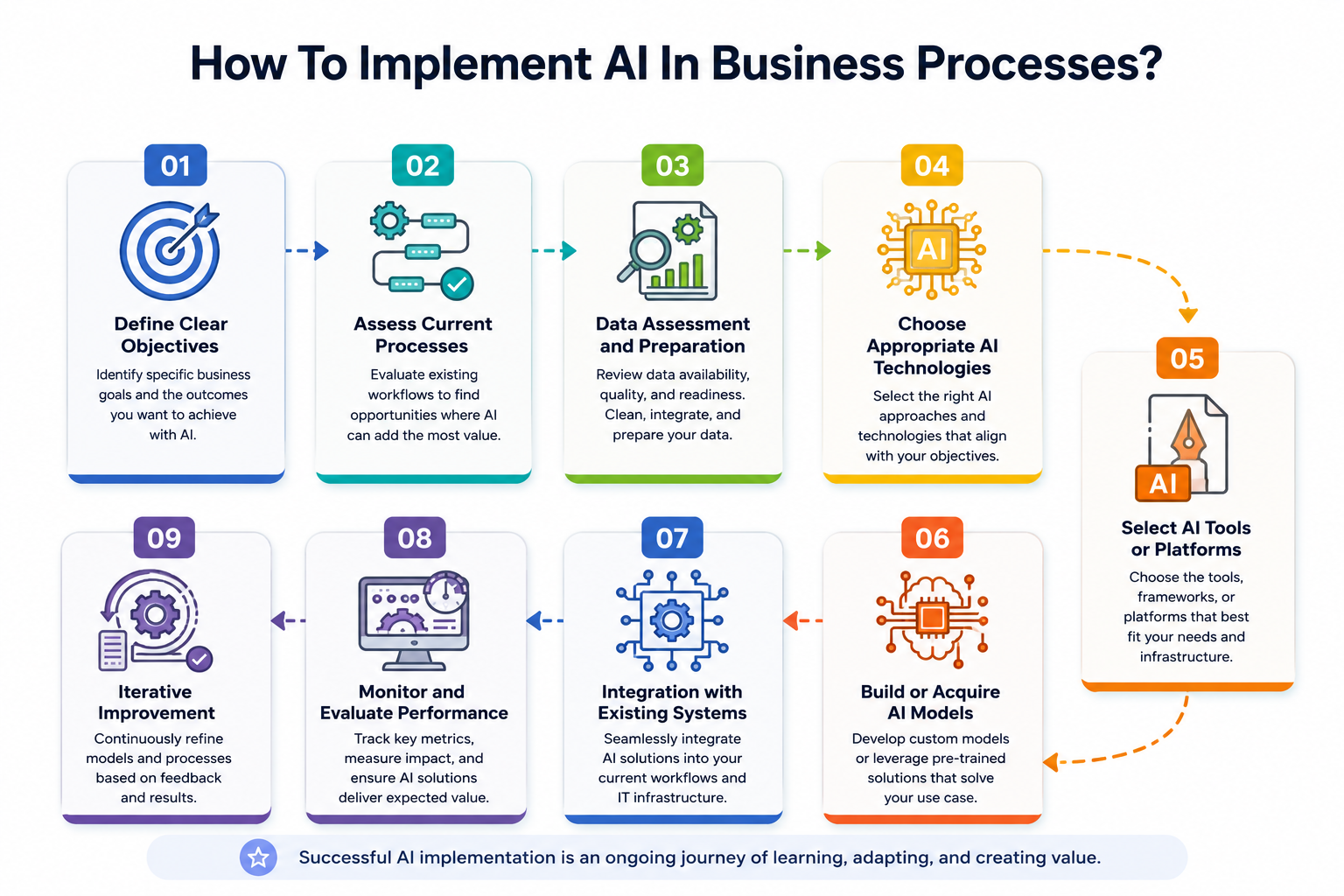
This integration leads to increased efficiency by processing vast amounts of data quickly, reduced costs through minimized human error and optimized processes, and better decision-making by providing data-driven insights.
Data is the new currency of the digital age. As data becomes integral to strategic decision-making, CIOs must ensure their teams are equipped to manage, analyze, and derive insights from data. Developing competencies in data analytics and governance is critical for unlocking data’s full potential.
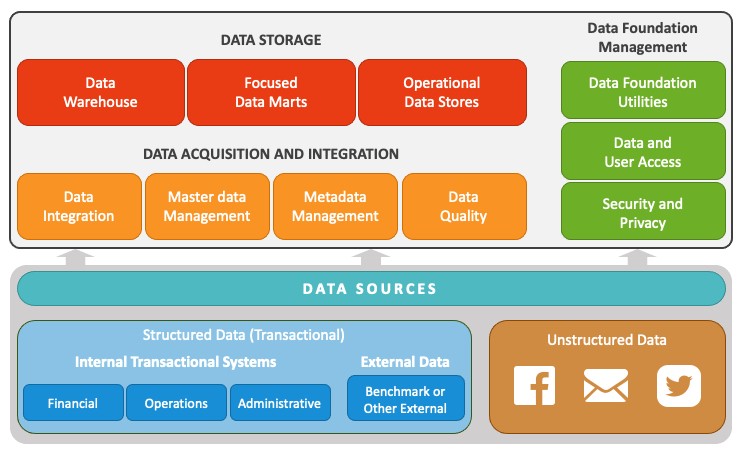
As digital transformation accelerates, infrastructure must evolve from static, siloed systems to dynamic, scalable platforms that support rapid innovation and business agility. Transitioning from legacy systems requires strategic foresight and the ability to manage transitions seamlessly with minimal disruption.
Strengthening security is not just a technological challenge but a strategic imperative. CIOs must foster a culture of security awareness across all levels, embedding robust processes and technologies that safeguard data and infrastructure against evolving threats. Utilize AI-driven threat detection, automated response systems, and encrypted communication to enhance defenses.
According to Gartner, 85% of IT leaders highlight a skills mismatch in their current workforce. Only 15% of IT leaders believe their current workforce is prepared for future needs — a gap that directly impacts the ability to deliver on transformation goals.
CIOs need to conduct thorough skills assessments, develop targeted training programs, and embrace diversity in hiring practices to cultivate versatile and future-ready teams.
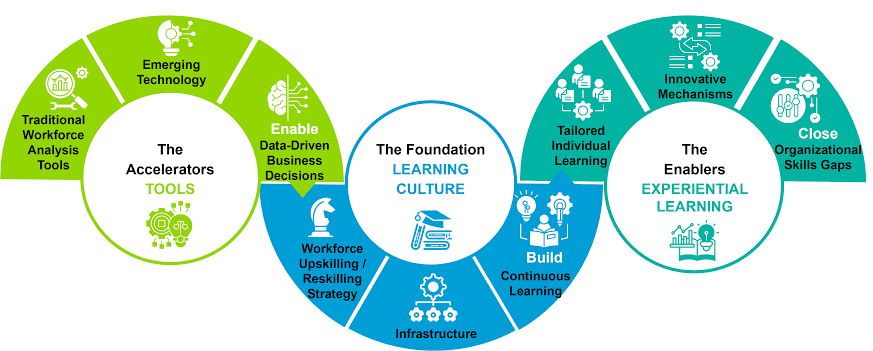
Most IT organizations are struggling to hire for niche skills in cloud, security, automation and architecture. As a result, 84% of CIOs and IT leaders are actively engaged in reskilling their current employees to ensure they possess the necessary skills to execute digital strategies successfully.
In today’s high-velocity digital landscape, CIOs stand at the nexus of technology innovation and business value creation. Their evolving mandate calls for more than strategy — it demands executional excellence across AI integration, data intelligence, infrastructure modernization, and security reinforcement.
Yet, the true differentiator lies in talent. Organizations that invest in bridging skills gaps and fostering agile, cross-functional teams position themselves to translate digital ambition into measurable outcomes. By embracing this multifaceted agenda, CIOs drive resilience, innovation, and sustainable enterprise impact.