In an era characterized by rapid technological advancements and the increasing demand for innovation, telecom operators often face the challenge of balancing the need for modernization with the realities of existing legacy IT systems.

The hybrid approach allows telecom operators to effectively leverage the investments made in legacy systems while transitioning to new technologies in a manageable and strategic manner. By enabling coexistence, this strategy facilitates gradual modernization, operational continuity, and enhanced user experiences.
Instead of having a complete overhaul, gradually modernize components of the legacy system. Identify which parts are most critical or outdated — and progressively upgrade those. As businesses adopt more modern functionalities, they can create a layered architecture that allows for easy integration of additional applications or services in the future.
By implementing changes gradually you will minimize the risk associated with system upgrades and avoid significant disruptions to service(s) which also leads to preserving high levels of customer satisfaction.
One of the key points of this strategy is that it would allow operators to prioritize upgrades based on the existing business needs and latest customer feedback. Last but not the least — TCO reduction. Incremental modernization spreads costs over time, making it more manageable for operators.
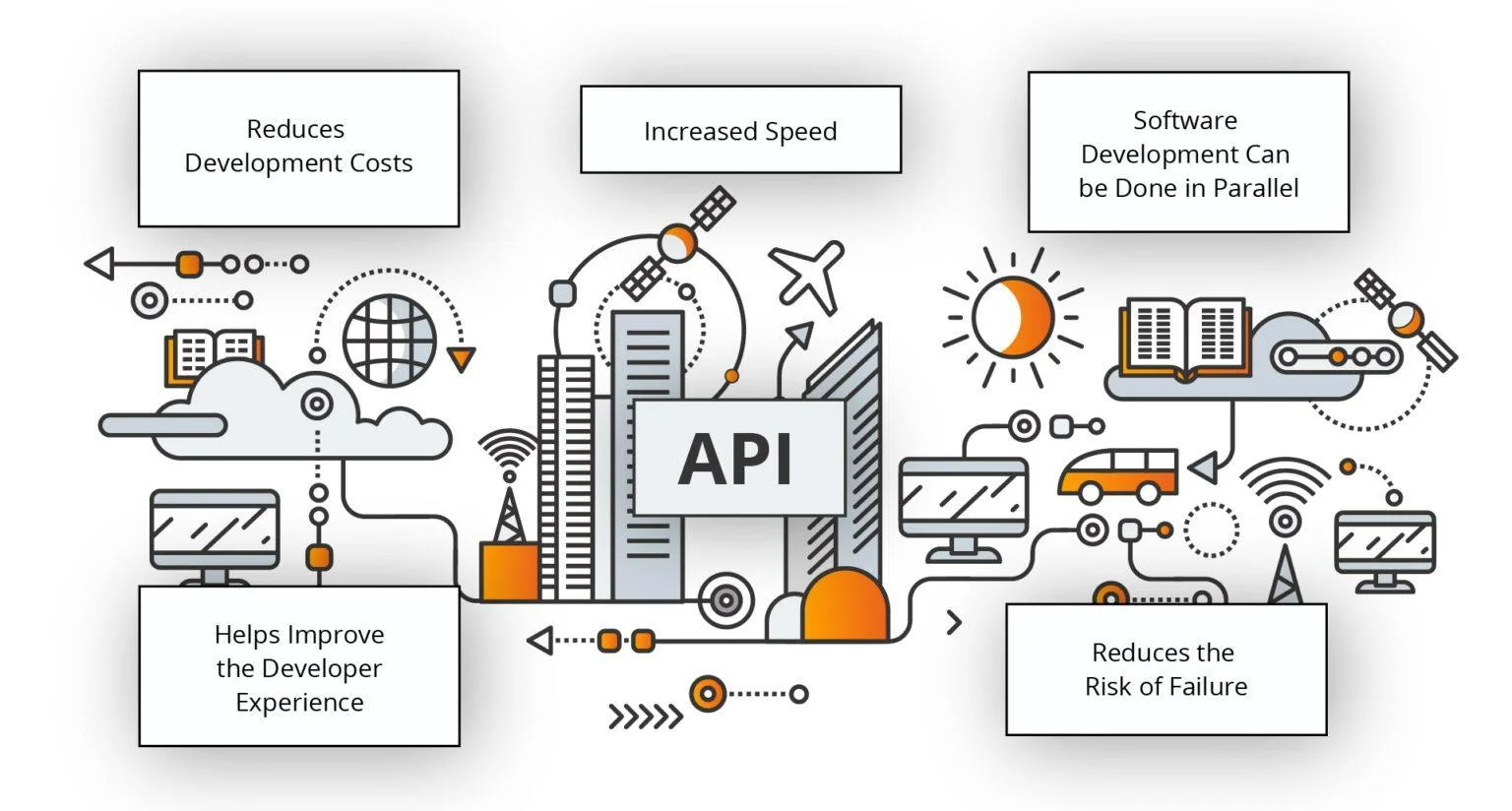
Implement APIs to allow the legacy systems to communicate with newer applications ensuring seamless data flow and functionality without the need for complete system overhauls. This enables interoperability while leveraging existing functionalities.
- Faster Time to Market: With APIs, telecom operators can accelerate the development and launch of new products and services, responding quickly to competitive pressures and market opportunities.
- Enhanced Service Offering: APIs can be used to create and integrate new services such as SMS gateways, voice services, or mobile payment options, allowing operators to expand their offerings.
- Scalability: APIs allow telecom operators to scale their services up or down easily, adapting to market demands and ensuring that resources align with customer needs.
- API-Driven Revenue Models: Telecom operators can create new revenue streams by offering API access to their services and data to developers and businesses, turning datasets into monetizable assets.
- Automation and Efficiency: Automating processes through APIs can reduce manual intervention, speeding up tasks such as customer onboarding, billing, and service provisioning.
- Ecosystem Development: APIs enable telecom operators to collaborate with partners, developers, and third-party service providers, fostering innovation and expanding their service ecosystems.
As of February 2025, TM Forum’s Open APIs have been downloaded over 1 Million times.
This is probably the most “beloved” part of a project for anyone who has participated in transformation projects. No wonder that Migrene and Migration start with the same prefix.
The objective here is to focus on extracting valuable data from legacy systems for use in new systems in order to migrate essential data to modern databases while maintaining legacy systems for non-critical operations.
First, conduct a thorough assessment of the data stored within legacy systems to identify valuable datasets. Prioritize the data based on relevance, usage frequency, and alignment with business goals.
Map the data from legacy formats to the new database schema, ensuring that all mappings are clearly defined. Finally, develop a detailed migration plan that outlines the steps, timelines, and stakeholders involved in the migration process. Schedule the migrations during low-traffic periods to minimize disruption to ongoing operations.
The “Wrap and Extend” approach involves creating a layer of abstraction (service wrapper) around the legacy systems to expose their functionalities as modern services, enabling Telecom operators to re-use the existing stack while adding new functionalities.
This also allows users to interact with the legacy systems without altering their core architecture, thereby maintaining stability while enabling greater adaptability.
Start by identifying the key functionalities of the legacy system that should be exposed as services. Make sure that the exposed functionalities follow standard API design principles (i.e. RESTful or TM Forum), making them easy to understand and use for developers.
Service Wrapper will facilitate the integration of modern user interfaces with the exposed services, allowing users to interact with legacy functionalities through different touchpoints: web apps, mobile apps, or other digital platforms.
The “Wrap and Extend” approach allows telecom operators to modernize their infrastructure incrementally — leveraging investments in legacy systems while enhancing their responsiveness to modern business needs, improving user experience and paving the way for further innovation.
Business Process Reengineering (BPR) focuses on analyzing and redefining business processes that depend on legacy systems to enhance efficiency, reduce costs, and improve service delivery in an evolving business environment.
Identify which processes will be analyzed and reengineered, prioritizing those that most significantly impact customer experience and business performance. Improving CX should be the key focus of business process reengineering and automation.
At EMEA Networks we can assist you with our tailored Telco Assessment offer(s) that includes business processes review, Gap Analysis, Technology Assessment that as a deliverable has an executive report which includes analysis, key findings and insights, roadmaps, etc.
After all the assessment is done, start with redesign of the processes to eliminate unnecessary steps and streamline workflows. Identify opportunities for automation within the new processes, thereby reducing manual tasks and potential human errors.
Embracing a strategy that values the strengths of existing systems while incorporating new technologies paves the way for sustainable growth, enhanced service delivery, and future readiness in a dynamic telecommunications landscape.

One of the primary benefits of reusing legacy systems is cost efficiency. Rather than discarding them in favor of completely new solutions, operators can leverage existing functionalities, avoiding the substantial costs associated with development, implementation, and training.
Reusing legacy IT systems does not imply that telecom operators must remain stagnant. Through service wrapping and extending legacy functionalities, organizations can integrate modern technologies without abandoning their foundational systems.
Another crucial advantage is the reduction of risk associated with IT transformation projects. By retaining legacy systems, telecom operators can ensure continuity of critical services during the transition period, minimizing disruption to day-to-day operations.
Finally, reusing legacy IT systems allows telecom operators to build a solid foundation for future innovation — positioning legacy systems as integral components of a strategic initiative to remain competitive in a fast-evolving market.